
Fantasy · Mystery

Book Review: Once Upon a River by Diane Setterfield

The river knows the secrets of small towns, and they won’t stay secrets long.

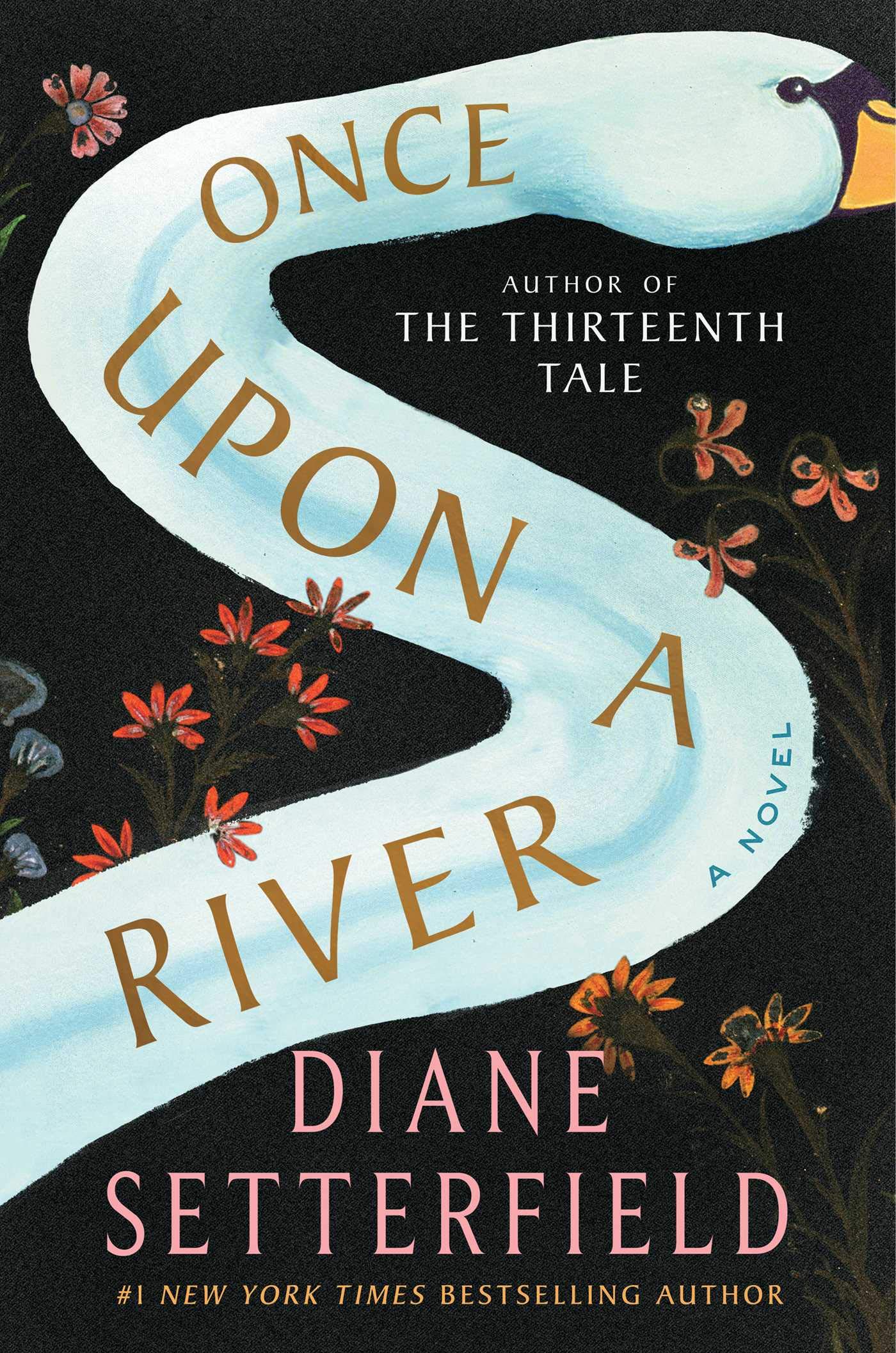
I initially became interested in Diane Setterfield when hearing the rave reviews about Once Upon a River. Not being able to get my hands on the book right away (moving expenses make it hard to buy new hardcover releases!) I settled on purchasing The Thirteenth Tale.

Although similar, Once Upon a River was miles above and, in my opinion, showcases how an author can grow and come into their craft.  

The story started slow, with such an elaborate cast of characters, introductions were lengthy and tiresome.  I wasn’t overly excited from the first few chapters.

What resonated in this novel, compounded by my reading of Setterfield’s works before, is that her writing is symbolic – sometimes overly so. In The Thirteenth Tale I was exhausted by it. I felt like the message was being beat into me. But in this novel, she really embraces the idea of the river as a focal point for the story. The tale flowed, indeed, like a river.

The Thames is the soul of several separate, intricate stories, but as Setterfield points out, it could be any river and this story could take place in any town. She writes, “And now, dear reader, the story is over. It is time for you to cross the bridge once more and return to the world you came from. This river, which is and is not the Thames, must continue flowing without you. You have haunted here long enough, and besides, you surely have rivers of your own to attend to?”

I love the addressing of the reader, the inclusion creating a prescient atmosphere. Setterfield attempts to bring a story to life as something that lives and breathes, and she achieves it. Her snaking, slick storytelling is a microcosm of the tale itself. Storytelling exists in this book in it’s most enticing form: from beginning to end, wrought with details and imagery. She leaves no stone unturned.

It is almost as if she biographizes the story: she plays with how a story is created, how a story is told and digested, how a story evolves, and how those whom the story touches evolve as well.

Like her emphasis on the symbolism of the river, Setterfield also explores the topic of duality, and how we as humans reach for the familiar even when we know it isn’t real or appropriate. We cling to mimicry in the hope that our past loves, losses, and comforts will return to us.

Setterfield stays away from the mundane, and draws the story to a satisfying conclusion without compromising realism. The mystical and magical elements and drivers in the novel act as catalysts for the characters to find their happiness in the actuality of their lives and their existence, rather than letting them lose themselves in illusion.

Above all, Setterfield has created a story, a realistic one, where real people find their happy endings in the face of adversity. Don’t we all love that?
books · Mystery

Review: The Thirteenth Tale by Diane Setterfield

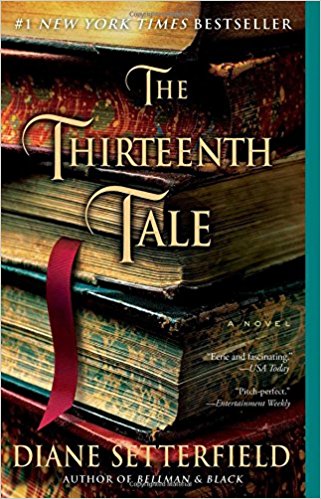
I was in a bit of reading slump lately. Everything that I had been picking up was very slow. I was perusing Amazon for new releases when I stumbled on The Thirteenth Tale. Once I realized that Once Upon a River, another novel by Setterfield I’ve been hearing a lot about, won’t be released until the summer, I lost myself in the author bio and took a look at some of Setterfield’s past work. The Thirteenth Tale stood out.

This book was as eerie as described and even more unsettling than I anticipated. Margaret Lea, the daughter of a a bookshop owner, is called upon, unprompted, by famed author Vida Winter to write the legend’s biography.

Vida Winter is notorious for lying to reporters and making up outlandish stories about her past. She has not told (or faced) the truth about her life ever before, but now chooses Margaret to write the truth.

One of my biggest issues with the book was that Ms. Winter seemed way too comfortable with Margaret. For someone who had kept her life a complete secret, she is all too prepared to tell this absolute stranger her full story, without any reasoning for why. In my opinion, Vida’s justification for why she hired Margaret doesn’t explain her comfort with her. I would have expected a closeted person to have more walls up. Still, Vida Winter is a complex and satisfying character. She is a storyteller, and she is determined to make sure she remains as such, even as she is narrating the story of her own life.

Margaret is a far less exciting character. She is the daughter of a bookshop owner (a personal dream) and yet she is somehow able to make even that seem boring. She’s never read a Vida Winter book, but is called upon to bring her character to life, the only known record of the writer’s life. She wouldn’t be my first choice.

Vida Winter reveals her secrets (and some that are not hers to tell) to Margaret. Their developing friendship is heartwarming – one gets the sense neither of them has ever had a true friend.

The underlying theme of the novel is identity. Both characters struggle with it, and not in the traditional “finding yourself” way you see in most novels. Both women are twins. There is A LOT of twin symbolism in this book. Typically I find the twin/psychic telepathy theme to be overplayed, but the layers of originality in the story are too good to be mistaken for poor thematic writing.

Margaret was born with a twin, but she died after a surgery was performed to separate their connected torsos. She has lived the rest of her life with the incessant feeling that there is a piece of herself missing – a feeling that leaves her largely depressed and not all that much of an asset to society. She feels guilt at surviving. She feels lost for surviving. This faceted idea of identity resonated with me. As someone who is largely independent, and yet still has the tug of directions when making decisions, I can’t imagine the feeling of having a missing piece of myself that I feel an allegiance to, an ever-nagging shadow.

The identity crisis goes much further. It’s deep and surprising and gives the book a mysterious, gothic quality.

The crossover between Gothic and Realism is a winner. Diane Setterfield s a great storyteller and I think this is a quality read for those looking for a mystery that isn’t just based in modern-missing-girl-true-crime (looking at you, Girl on the Train). If you want a mystery with edge, a complex story, ghostly hauntings, and good writing – read this!