
books · Historical Fiction

Book Review: The Island of Sea Women by Lisa See

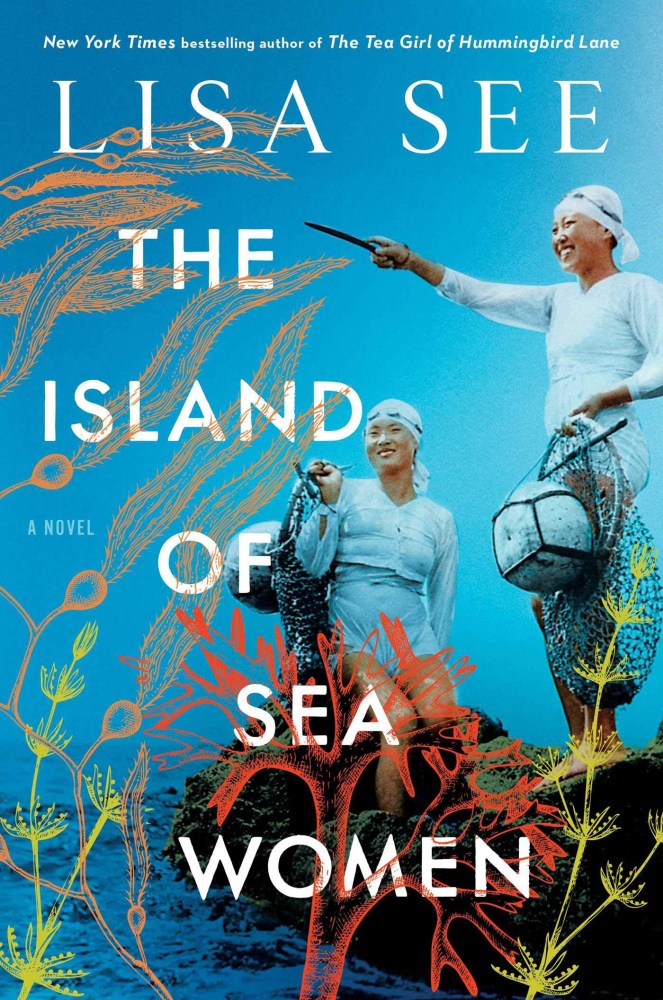
Sometimes, you should judge a book by its cover. This was my favorite book of 2019, and I based my purchase almost entirely on the interesting cover with two old ladies. As I brought the book home, it was a serious underdog, being beat out book after book with others I’d bought and borrowed. Finally, I picked this up last week after buying it at the Tattered Cover Bookstore on vacation in Denver in May. I was not disappointed.

The number of Asian-American coming-of-age books the New York State curriculum force-fed me and my peers in middle and high school (I’m looking at you Joy Luck Club and Memoirs of a Geisha) has conditioned me to avoid Asian literature. I never enjoyed anything that we were told to read. It wasn’t relatable to me and I wrote it off. With the recent resurgence of all different types of multi-cultural fiction, I’ve been trying to diversify the stories I read to incorporate some stuff that might not be the most relatable for me, but is still very worthwhile.

The Island of Sea Women spans pre- World War II and wartime Korea, detailing Korean occupation by the Japanese and by the Allies. Japanese occupation of Korea began in 1910. This story begins with a distinct air of unrest with the Japanese- although there isn’t outright war, the Korean natives stay as far from Japanese insurgents and soldiers as they can.

The body of the story follows two female friends and their journey through life as haenyeo. Haenyeo are female divers who reside on the Korean island of Jeju, where a family living is made primarily by the female mother, who dives into the sea to collect food (primarily seaweed, clams and abalone, but sometimes octopus and larger finds) and other sea life to sell for income. The haenyeo collective is a matriarchal society, one that stands juxtaposed to the male dominated societies of the West, particularly in the 1940s.

First and foremost, I am grateful for having read this book because of what it taught me about Korean history. My grandfather was in the Korean War and I am ashamed to admit I knew close to nothing about the United States’ role in the emancipation of South Korea from Japan and North Korea, never mind anything about Korea itself.

Even better, the story of female friendship between Young-sook and Mi-ja. Mi-ja’s family were Japanese “collaborators” – a term thrown around pretty loosely. Her father worked in a Japanese factory on the Korean mainland. Orphaned at a young age after moving to the island of Jeju with her father, Mi-ja is taken under the wing of Young-sook’s mother, who is the chief of the village diving collective. She teachers the young girls to dive as haenyeo, to provide for their families as true Island women do.

Young-sook and Mi-ja’s lives deviate amidst a backdrop of world war. Mi-ja is arranged to marry a man from a Japanese collaborating family. Her similarities to Young-sook dwindle and Young-sook finds it harder and harder to maintain her sisterhood with Mi-ja.

War strikes the island, bringing tragedy to Young-sook’s family. Her losses are symbolic to her of Mi-ja’s insistence on not helping Young-sook’s family in their time of need. Surely her husband’s political ties could save them all? Her relationship with Mi-ja is never the same.

Haenyeo are known for fortitude, determination and strong will. Young-sook embodies these without apology. It is seen as a benefit for haenyeo to be this way, to endure in the face of adversity, but I think this contributes to Young-sook’s loss of oversight and her inability (or direct negligence) to sympathize with her friend.

There are secrets between Mi-ja and Young-sook that enable them to never understand each other. There is death between them before they can heal their wounds. If Young-sook has been willing and able to embrace her friend in her own lowest time with sympathy rather than judgement, she would have come to easier realizations. Instead she harbors resentments, using her strength of character to put up an impenetrable wall against her friend.

The things lost between them are devastating. In a time when there is infinite loss and terror, two friends are driven further into turmoil, against each other, following societal lines of demarcation.

Lisa See’s novel details the lives of strong, immovable women, women I found to be extremely worthy, laudable, and noble. She highlights, however, how even the most noble can be flawed and can be inhibited from making the best choices as humans, even if they believe they are following an understanding of what’s right.

See’s writing is so enjoyable- like a refreshing dip in the ocean. May we learn from the haenyeo and from these characters something about grit, perseverance, and empathy.
books · Science/ Alternative Fiction

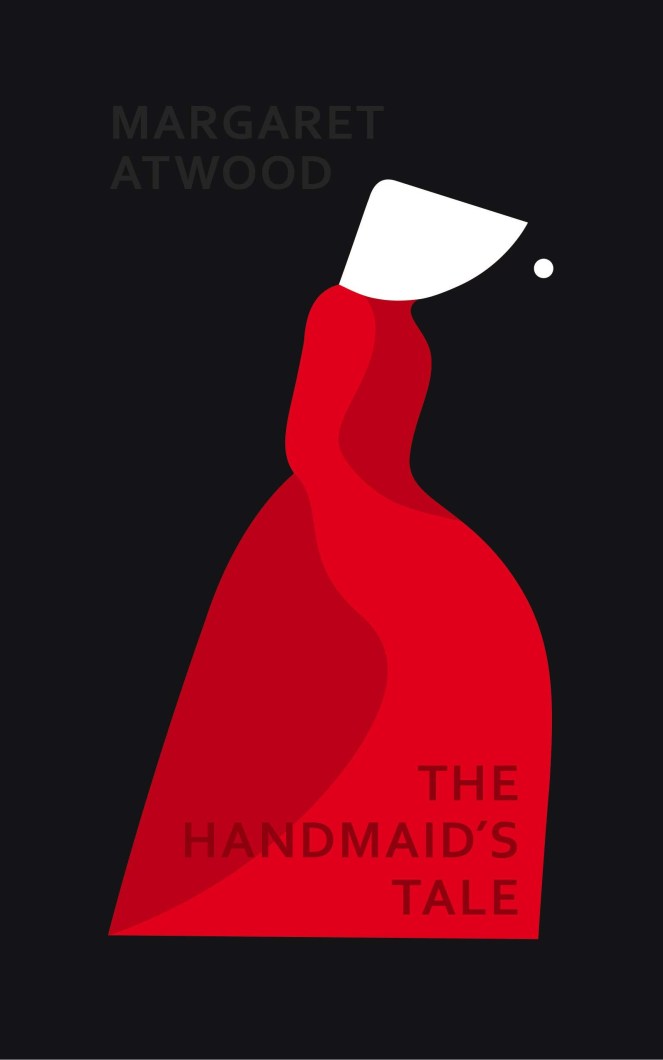
Book Review: The Handmaid’s Tale by Margaret Atwood

There has been a lot of hype around The Handmaid’s Tale lately, particularly in the relativity of this story to modern society and female rights.

My train of contemplation throughout this novel strayed towards human nature: the lack of it, the necessity for it, the justification of it in any and all human societies. What we learn in this novel is that no matter what confines or liberties are put forth to a group of people, or on one person, there is always the uncontrollable element of desire and the inclination towards what is deemed natural.

Nature versus nurture is a long-debated paradox in psychology, but if there was ever a definitive justification for the dominance of nature, it is The Handmaid’s Tale.

Offred is living in the dystopian country of Gilead, where women like her serve one purpose – to reproduce for the family to which they are assigned. Children they bear are not their own, they belong to the “wives” for which they serve.

The society is dominated by archaic rules that condemn women to a life without reading or writing, learning or socializing. Relations between men and women are strictly sexual in scheduled encounters. Though these rules are stringent and the consequences are dire, each character in the novel gives in to their natural desires at some point throughout, giving credence to the idea that although culture can change, human autonomy withstands tests of its strength.

Left wanting more from this novel, I’m looking forward to the sequel that is set to be released in September 2019. I believe that the reasons I’m intrigued, however, resonate with the same inclination towards understanding human nature that the novel surrounds. I have the urge to fit the pieces together and find out how the resolution of conflict plays out in the characters’ lives, rather than a need to understand the potential political upheaval that Atwood creates which could, in our reality, so similarly affect even the most secure of societies.

My interest lies in the humanity- the relationships. Is Offred pregnant? Was her Commander really such a bad guy, or was he primarily good, but drunk with power and circumstance? Does Moira rest on her laurels or continue to fight?

I raced through this book with the constant desire to reach some understanding, I’m not sure of what. I don’t think resolution is really meant to be achieved. This book is not written to make you feel good or resolve fears, but to create them. There is no validation that humanity will will out over any adversity it is faced with. Coming to the close of the story and finding no answers to the great questions of our nature, I moved on, feeling a little deflated and wary of our potential as individuals and as societal beings.

Really interesting and makes me want to have a stern talk with my fiancé about my post-apocalyptic rights.

books · Mystery

Book Review: Miracle Creek by Angie Kim

Oops, I did it again. I got overly excited about a book with rave reviews, a book that’s absolutely blowing up online and on social media, and I got a little let down. Miracle Creek has been #1 on my TBR list for awhile and I’m a little bummed that I wasn’t totally into it. However, there are a lot of redeeming qualities to this book and I did enjoy it! Just maybe not as much as I hoped.
The story follows a family of immigrants from Seoul and a few other key characters as they navigate the aftermath of an explosion and a subsequent murder trial. The Paks own “Miracle Submarine,” a hyperbaric oxygen chamber that is used to treat a variety of medical conditions, including the symptoms of autism, cerebral palsy, and infertility.

Although some consider the oxygen treatment to be “quack” medicine, the Paks are excited to finally be living their American dream and hoping for the success of the future.

The author of the novel, Angie Kim, does an excellent job telling the story from multiple point of views. This writing technique upped the mystery and enticed the reader to understand how the crime possibly could have been committed by multiple characters in the novel. Each POV showed the motivations of a different character. 

Kim’s overarching and triumphant rhetoric on motherhood throughout the story is overwhelmingly troubling, but it’s also raw and shows a masterful understanding of the complexities of being a mother. She taps into the varying emotions of love, unquestioning devotion, but also the moments of weakness that motherhood forces one to confront: pain, hatred, and the occasional desire to be free of the tether of having a child.

Elizabeth’s story, however troubling, elucidates an ever-shamed aspect of motherhood. Her story brings the question of what constitutes abuse to the forefront. In today’s cultural climate, one that simultaneously shames women for breastfeeding but also hinders the rights of women to conceive, raise and treat their children, this story line was eyeopening and necessary.

Elizabeth, the mother of an autistic child, Henry, is accused of his murder. Without physical evidence, the prosecution resorts to attacking the way she has cared for his child over the course of his life. She’s subjected him to alternative therapies for his autism, treatment after treatment, to try to perfect his focus, his speech, his attention to detail, and his behavior itself. Her near-obsessive desire to “fix” Henry becomes the sole argument, the most damning evidence against her – deemed as “unnecessary” and overkill. Henry was getting better, why was she trying to make him perfect?

Elizabeth’s inner debate is fascinating. She questions herself. The conversation stemming from Elizabeth’s plight makes for great food for thought. Although some of the other characters fell a bit flat for me, I thought Kim’s personification of “the mother” through multiple characterizations showed how motherhood is different for everyone, there is no right way to parent, and those that force their opinion on other parents are often doing more harm than good.

Fantasy · Mystery

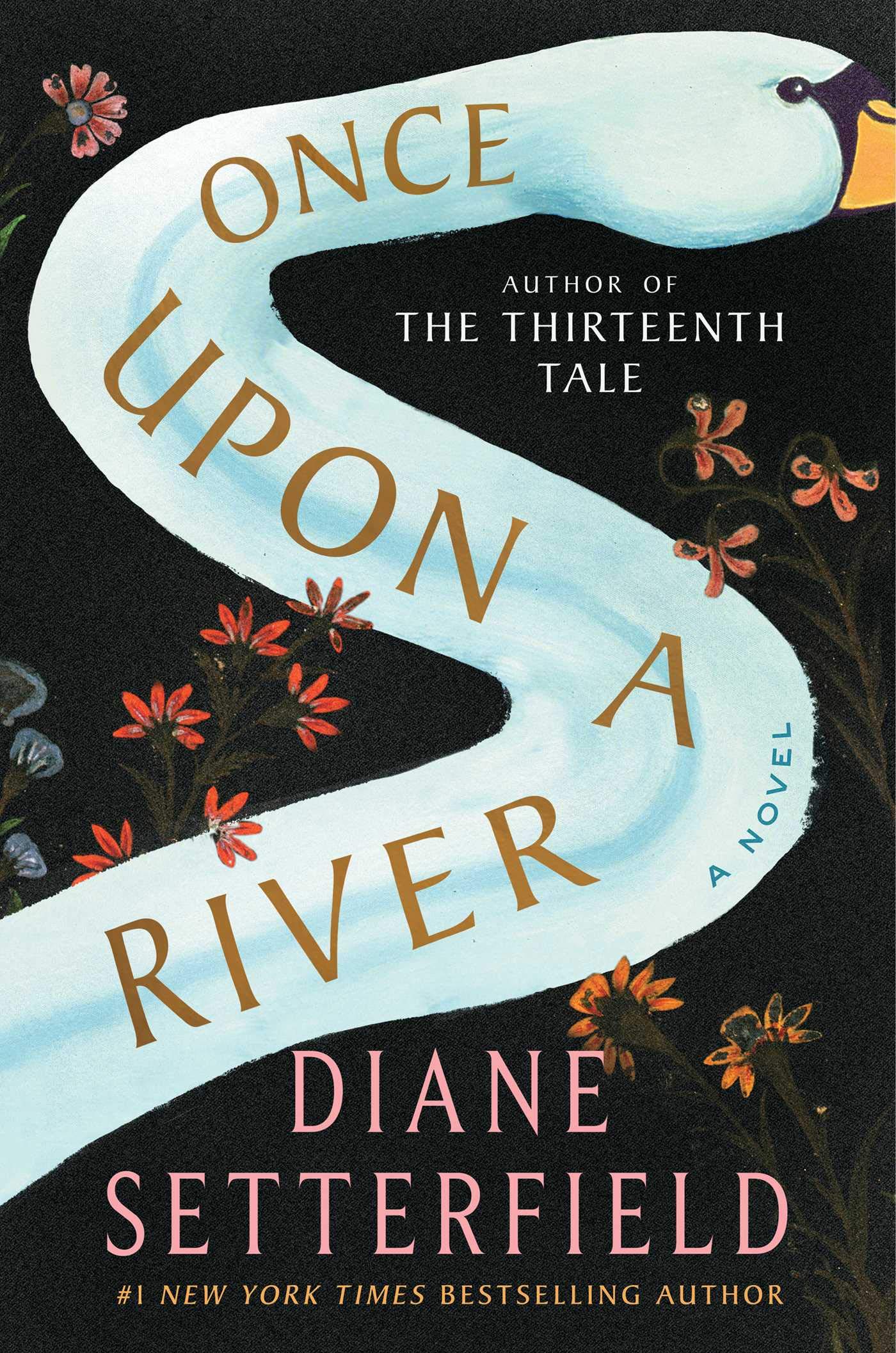
Book Review: Once Upon a River by Diane Setterfield

The river knows the secrets of small towns, and they won’t stay secrets long.

I initially became interested in Diane Setterfield when hearing the rave reviews about Once Upon a River. Not being able to get my hands on the book right away (moving expenses make it hard to buy new hardcover releases!) I settled on purchasing The Thirteenth Tale.

Although similar, Once Upon a River was miles above and, in my opinion, showcases how an author can grow and come into their craft.  

The story started slow, with such an elaborate cast of characters, introductions were lengthy and tiresome.  I wasn’t overly excited from the first few chapters.

What resonated in this novel, compounded by my reading of Setterfield’s works before, is that her writing is symbolic – sometimes overly so. In The Thirteenth Tale I was exhausted by it. I felt like the message was being beat into me. But in this novel, she really embraces the idea of the river as a focal point for the story. The tale flowed, indeed, like a river.

The Thames is the soul of several separate, intricate stories, but as Setterfield points out, it could be any river and this story could take place in any town. She writes, “And now, dear reader, the story is over. It is time for you to cross the bridge once more and return to the world you came from. This river, which is and is not the Thames, must continue flowing without you. You have haunted here long enough, and besides, you surely have rivers of your own to attend to?”

I love the addressing of the reader, the inclusion creating a prescient atmosphere. Setterfield attempts to bring a story to life as something that lives and breathes, and she achieves it. Her snaking, slick storytelling is a microcosm of the tale itself. Storytelling exists in this book in it’s most enticing form: from beginning to end, wrought with details and imagery. She leaves no stone unturned.

It is almost as if she biographizes the story: she plays with how a story is created, how a story is told and digested, how a story evolves, and how those whom the story touches evolve as well.

Like her emphasis on the symbolism of the river, Setterfield also explores the topic of duality, and how we as humans reach for the familiar even when we know it isn’t real or appropriate. We cling to mimicry in the hope that our past loves, losses, and comforts will return to us.

Setterfield stays away from the mundane, and draws the story to a satisfying conclusion without compromising realism. The mystical and magical elements and drivers in the novel act as catalysts for the characters to find their happiness in the actuality of their lives and their existence, rather than letting them lose themselves in illusion.

Above all, Setterfield has created a story, a realistic one, where real people find their happy endings in the face of adversity. Don’t we all love that?

Beach Reads · books · Thriller · Thriller

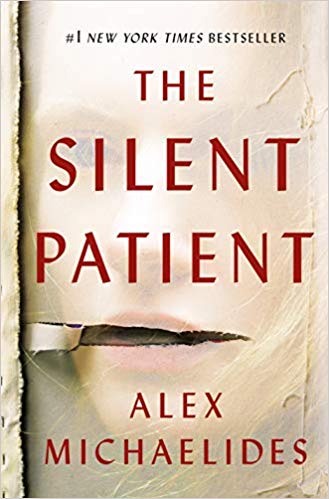
Review: The Silent Patient by Alex Michaelides

the silent patient - alex michaelides thriller NYT bestseller

Just like any typical 20 -something I seem to be drawn to psychological thrillers these days. Not to brag, but I can usually see all of the “unexpected plot twists” coming from a mile away. I am also notorious for predicting the ending of a movie 10 minutes in and whispering to my boyfriend “she did it”, which he is obviously really fond of.  I started reading The Silent Patient by Alex Michaelides with the expectation that I would be able to use my amazing skills to see the ending coming early on. However, I am pleasantly surprised to report that this was not the case.

 The Silent Patient is the story of a psychotherapist, Theo Faber, who takes a job at a high security psychiatric hospital in the hopes of triggering a breakthrough in one of the most notorious patients there, a woman who shot her husband five times without any known motive. Alicia Berenson has not spoken one word since she was charged with the murder of her husband. She is a well known local artist and her last attempt at communication was a self portrait entitled Alcestis.  To provide some background Alcestis is a lesser known Greek play in which the Queen Alcestis volunteers to die in the place of her husband Admetus. She was rescued by Hercules and brought back to life. Alcestis is the epitome of a selfless woman/wife in the setting of ancient Greece. Alex Michaelides uses Alcestis to help build Alicia Berenson’s character and to set the stage for the events leading to her husband’s death.

Theo Faber has a personal history of mental illness. He uses his experience with depression, child abuse and PTSD to help foster meaningful bonds with his patients. He is determined to help Alicia come to terms with her crime and speak out about what happened to her. As the novel unfolds we slowly learn that Theo has some unresolved issues of his own that still haunt him, and that he relates to Alicia’s situation on a very personal level.

The author does an excellent job at periodically introducing less significant characters that may or may not have played a role in the crime. This led to numerous moments where I thought I had figured it all out- but alas, I must admit I did not accurately predict this one.