
Fantasy

Book Review: The Ten Thousand Doors of January by Alix E. Harrow

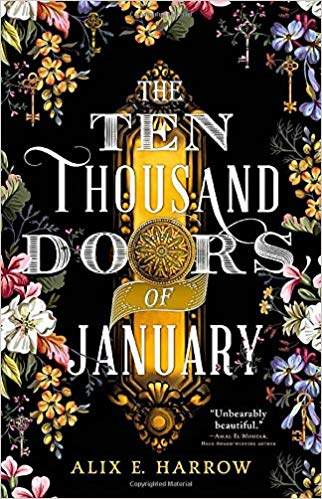
To be honest, I found The Ten Thousand Doors of January to be a bit of a slog. Although well written, this coming-of-age narrative about a girl searching for her identity in the world fell flat. Interestingly enough, the whole premise of the book is that the world is not flat, but in fact, has many dimensions; doors (or Doors, using capitalization to illustrate their importance) that open thresholds to new worlds.

January Scaller is a young girl who has been adopted by a wealthy aristocrat. She is dark-skinned in the country of Vermont in the late 1800s, a time when the word “savage” is often used in normal conversation. Her presence in the well-to-do world of her guardian, Mr. Locke, is ever the source of contempt among his peers.

January’s father is an adventurist, employed by Mr. Locke to collect treasures around the world for Locke’s collections and auctions. January has always resented her father constant traveling, leaving her behind. She discovers a book called The Ten Thousand Doors that finally sheds some light on her father’s mysterious life.

At its core, this book is about one girl’s search for her identity, even when she is told to just “be a good girl” and count her blessings of good fortune. She seeks answers, and she finds them, through a series of misfortune and an overly trusting attitude. Her ultimate reward is finding direction and purpose in a world where she has consistently had none.

I was a little disappointed in the novel’s meandering. For a story that is based on the quest to find identity and purpose, it felt purposeless. January’s story almost feels like it is being set up for a series.

I wasn’t in love with the story, but I didn’t dislike it either. All around, a good debut from Alix E. Harrow.
Fantasy · Mystery

Book Review: Once Upon a River by Diane Setterfield

The river knows the secrets of small towns, and they won’t stay secrets long.

I initially became interested in Diane Setterfield when hearing the rave reviews about Once Upon a River. Not being able to get my hands on the book right away (moving expenses make it hard to buy new hardcover releases!) I settled on purchasing The Thirteenth Tale.

Although similar, Once Upon a River was miles above and, in my opinion, showcases how an author can grow and come into their craft.  

The story started slow, with such an elaborate cast of characters, introductions were lengthy and tiresome.  I wasn’t overly excited from the first few chapters.

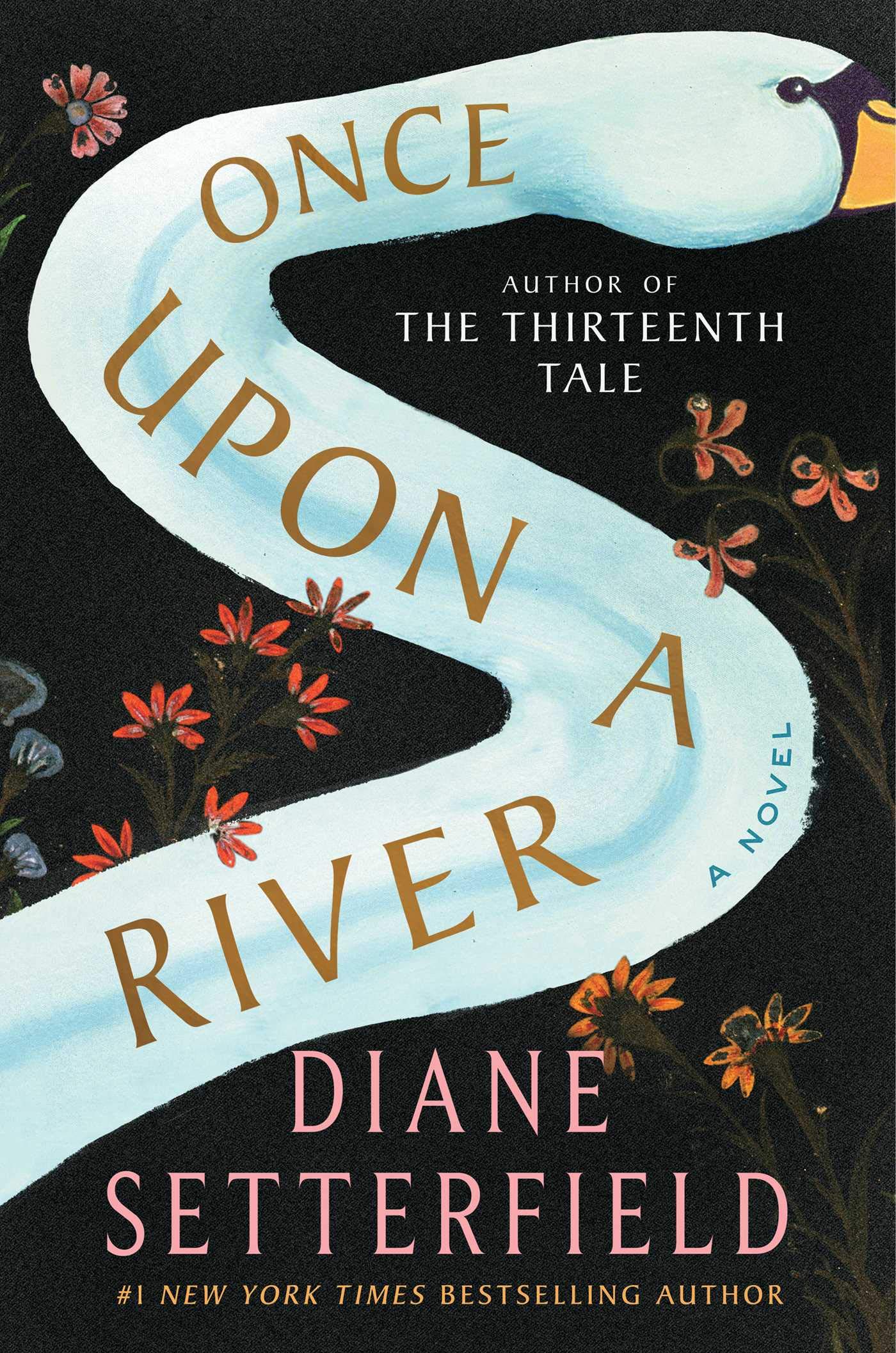
What resonated in this novel, compounded by my reading of Setterfield’s works before, is that her writing is symbolic – sometimes overly so. In The Thirteenth Tale I was exhausted by it. I felt like the message was being beat into me. But in this novel, she really embraces the idea of the river as a focal point for the story. The tale flowed, indeed, like a river.

The Thames is the soul of several separate, intricate stories, but as Setterfield points out, it could be any river and this story could take place in any town. She writes, “And now, dear reader, the story is over. It is time for you to cross the bridge once more and return to the world you came from. This river, which is and is not the Thames, must continue flowing without you. You have haunted here long enough, and besides, you surely have rivers of your own to attend to?”

I love the addressing of the reader, the inclusion creating a prescient atmosphere. Setterfield attempts to bring a story to life as something that lives and breathes, and she achieves it. Her snaking, slick storytelling is a microcosm of the tale itself. Storytelling exists in this book in it’s most enticing form: from beginning to end, wrought with details and imagery. She leaves no stone unturned.

It is almost as if she biographizes the story: she plays with how a story is created, how a story is told and digested, how a story evolves, and how those whom the story touches evolve as well.

Like her emphasis on the symbolism of the river, Setterfield also explores the topic of duality, and how we as humans reach for the familiar even when we know it isn’t real or appropriate. We cling to mimicry in the hope that our past loves, losses, and comforts will return to us.

Setterfield stays away from the mundane, and draws the story to a satisfying conclusion without compromising realism. The mystical and magical elements and drivers in the novel act as catalysts for the characters to find their happiness in the actuality of their lives and their existence, rather than letting them lose themselves in illusion.

Above all, Setterfield has created a story, a realistic one, where real people find their happy endings in the face of adversity. Don’t we all love that?