
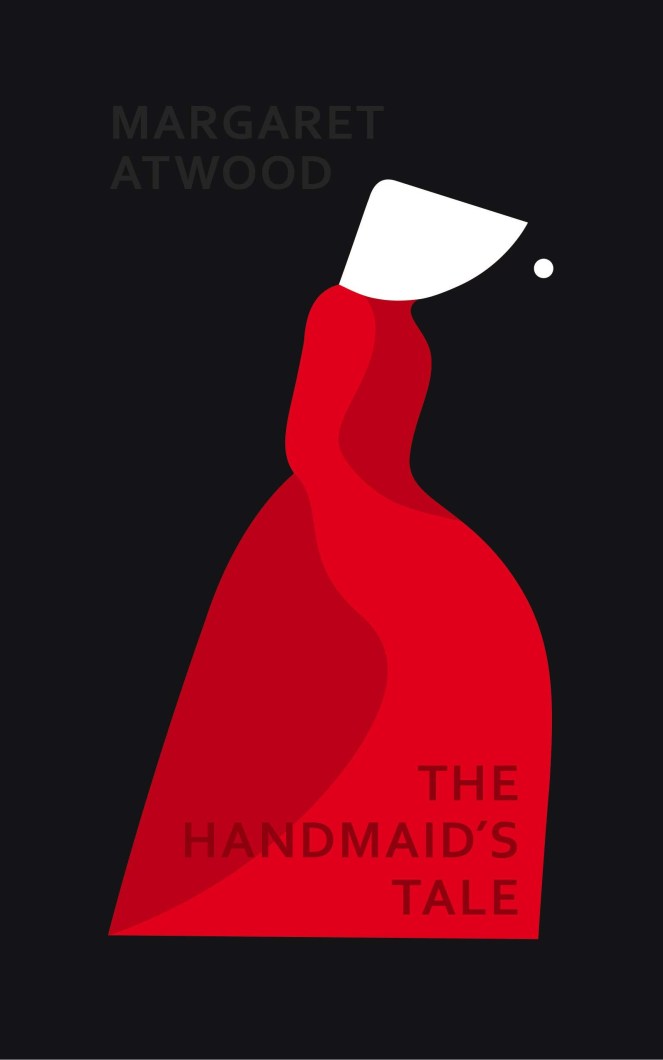
 There has been a lot of hype around The Handmaid’s Tale lately, particularly in the relativity of this story to modern society and female rights.
My train of contemplation throughout this novel strayed towards human nature: the lack of it, the necessity for it, the justification of it in any and all human societies. What we learn in this novel is that no matter what confines or liberties are put forth to a group of people, or on one person, there is always the uncontrollable element of desire and the inclination towards what is deemed natural.
Nature versus nurture is a long-debated paradox in psychology, but if there was ever a definitive justification for the dominance of nature, it is The Handmaid’s Tale.
Offred is living in the dystopian country of Gilead, where women like her serve one purpose – to reproduce for the family to which they are assigned. Children they bear are not their own, they belong to the “wives” for which they serve.
The society is dominated by archaic rules that condemn women to a life without reading or writing, learning or socializing. Relations between men and women are strictly sexual in scheduled encounters. Though these rules are stringent and the consequences are dire, each character in the novel gives in to their natural desires at some point throughout, giving credence to the idea that although culture can change, human autonomy withstands tests of its strength.
Left wanting more from this novel, I’m looking forward to the sequel that is set to be released in September 2019. I believe that the reasons I’m intrigued, however, resonate with the same inclination towards understanding human nature that the novel surrounds. I have the urge to fit the pieces together and find out how the resolution of conflict plays out in the characters’ lives, rather than a need to understand the potential political upheaval that Atwood creates which could, in our reality, so similarly affect even the most secure of societies.
My interest lies in the humanity- the relationships. Is Offred pregnant? Was her Commander really such a bad guy, or was he primarily good, but drunk with power and circumstance? Does Moira rest on her laurels or continue to fight?
I raced through this book with the constant desire to reach some understanding, I’m not sure of what. I don’t think resolution is really meant to be achieved. This book is not written to make you feel good or resolve fears, but to create them. There is no validation that humanity will will out over any adversity it is faced with. Coming to the close of the story and finding no answers to the great questions of our nature, I moved on, feeling a little deflated and wary of our potential as individuals and as societal beings.
Really interesting and makes me want to have a stern talk with my fiancé about my post-apocalyptic rights.
 In a Dark, Dark Wood by Ruth Ware was recommended to me a few years ago, and I just got around to reading it. As psychological thrillers go, it was solid. The plot was original- but something just fell flat for me.
 Oops, I did it again. I got overly excited about a book with rave reviews, a book that’s absolutely blowing up online and on social media, and I got a little let down.
 2 Book Girls