books · Memoir

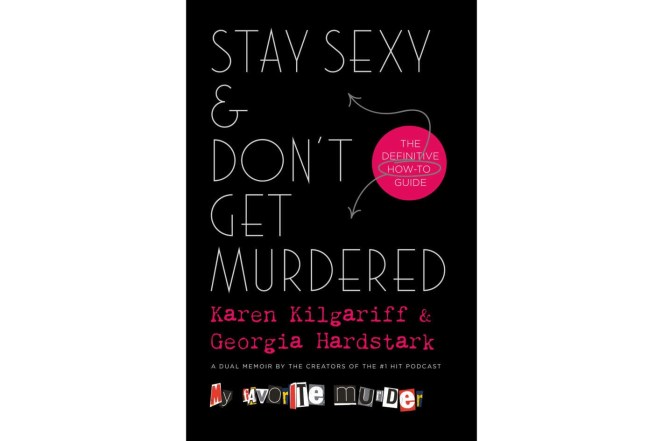
Book Review: Stay Sexy & Don’t Get Murdered by Georgia Hardstark and Karen Kilgariff

As much as I love the podcast My Favorite Murder, I didn’t have high expectations for their debut book, Stay Sexy & Don’t Get Murdered. The podcast with a cult following is entertaining as hell, and I’ve been following Karen Kilgariff and Georgia Hardstark for some time now and although I love their podcast and hearing from them every week, I was very hesitant to get excited about this book. Boy was I wrong.

The book is a joint memoir written from both of their perspectives in sections framed by popular sayings on their show like “stay out of the forest,” and “f*** politeness,” urging women to protect themselves first. The stories these women choose to tell are enlightening and explain how society has shaped them into the people they are today, for better and for worse. Not lacking in curses and exclamations, the book stays true to their authentic style. You can tell they have written the chapters because as a fan, you’ve been listening to their voice, their point of view, for so long.

On the surface, Karen and Georgia have led privileged lives. Two girls from California with middle class families. I’ve led a privileged life as well and I have always said that my life is not something I think anyone would want to read about. Middle class white girl. Not creative. There’s not enough grit. There’s not enough hardship. Karen and Georgia have changed my mind about that.

Karen and Georgia’s life affirming experiences could be considered “white people problems” from afar. Karen details her struggles with alcoholism, speed and diet pills. Georgia, her issues stemming from her parents divorce, childhood rebellion and drugs, anxiety, and ADHD. Both of them struggled with eating disorders. It all sounds basic and privileged but after engrossing myself in the story there were some extremely hard hitting stories that brought up emotions that I recognized within myself. And yeah, maybe some of that comes from privilege, but suffering is suffering. Struggles with mental health are real struggles. Hearing two women validate these struggles and honor them as difficult and painful was refreshing. They don’t preface anything with “I know people have it worse” or “I’m sorry for complaining, I know I’m lucky.” They speak their truth without apology. Which, I realized, is not just what we want as females, but what we need.

We need women who are going to bite the bullet and speak up about the things that may seem mundane and small, but that are factors of our lives that make them hard.

Georgia and Karen are such good role models. And I say that without anything held back. They teach us that being yourself is the most important truth and that doing that isn’t easy. Reading this book felt like getting a hug from a best friend, someone that is very much like yourself. And that’s why I won’t doubt myself, or my story, again. Because if Karen and Georgia can tell theirs, so can I. And I know they’d be happy to hear that.

books · Mystery

Book Review: Miracle Creek by Angie Kim

Oops, I did it again. I got overly excited about a book with rave reviews, a book that’s absolutely blowing up online and on social media, and I got a little let down. Miracle Creek has been #1 on my TBR list for awhile and I’m a little bummed that I wasn’t totally into it. However, there are a lot of redeeming qualities to this book and I did enjoy it! Just maybe not as much as I hoped.
The story follows a family of immigrants from Seoul and a few other key characters as they navigate the aftermath of an explosion and a subsequent murder trial. The Paks own “Miracle Submarine,” a hyperbaric oxygen chamber that is used to treat a variety of medical conditions, including the symptoms of autism, cerebral palsy, and infertility.

Although some consider the oxygen treatment to be “quack” medicine, the Paks are excited to finally be living their American dream and hoping for the success of the future.

The author of the novel, Angie Kim, does an excellent job telling the story from multiple point of views. This writing technique upped the mystery and enticed the reader to understand how the crime possibly could have been committed by multiple characters in the novel. Each POV showed the motivations of a different character. 

Kim’s overarching and triumphant rhetoric on motherhood throughout the story is overwhelmingly troubling, but it’s also raw and shows a masterful understanding of the complexities of being a mother. She taps into the varying emotions of love, unquestioning devotion, but also the moments of weakness that motherhood forces one to confront: pain, hatred, and the occasional desire to be free of the tether of having a child.

Elizabeth’s story, however troubling, elucidates an ever-shamed aspect of motherhood. Her story brings the question of what constitutes abuse to the forefront. In today’s cultural climate, one that simultaneously shames women for breastfeeding but also hinders the rights of women to conceive, raise and treat their children, this story line was eyeopening and necessary.

Elizabeth, the mother of an autistic child, Henry, is accused of his murder. Without physical evidence, the prosecution resorts to attacking the way she has cared for his child over the course of his life. She’s subjected him to alternative therapies for his autism, treatment after treatment, to try to perfect his focus, his speech, his attention to detail, and his behavior itself. Her near-obsessive desire to “fix” Henry becomes the sole argument, the most damning evidence against her – deemed as “unnecessary” and overkill. Henry was getting better, why was she trying to make him perfect?

Elizabeth’s inner debate is fascinating. She questions herself. The conversation stemming from Elizabeth’s plight makes for great food for thought. Although some of the other characters fell a bit flat for me, I thought Kim’s personification of “the mother” through multiple characterizations showed how motherhood is different for everyone, there is no right way to parent, and those that force their opinion on other parents are often doing more harm than good.

Fantasy · Mystery

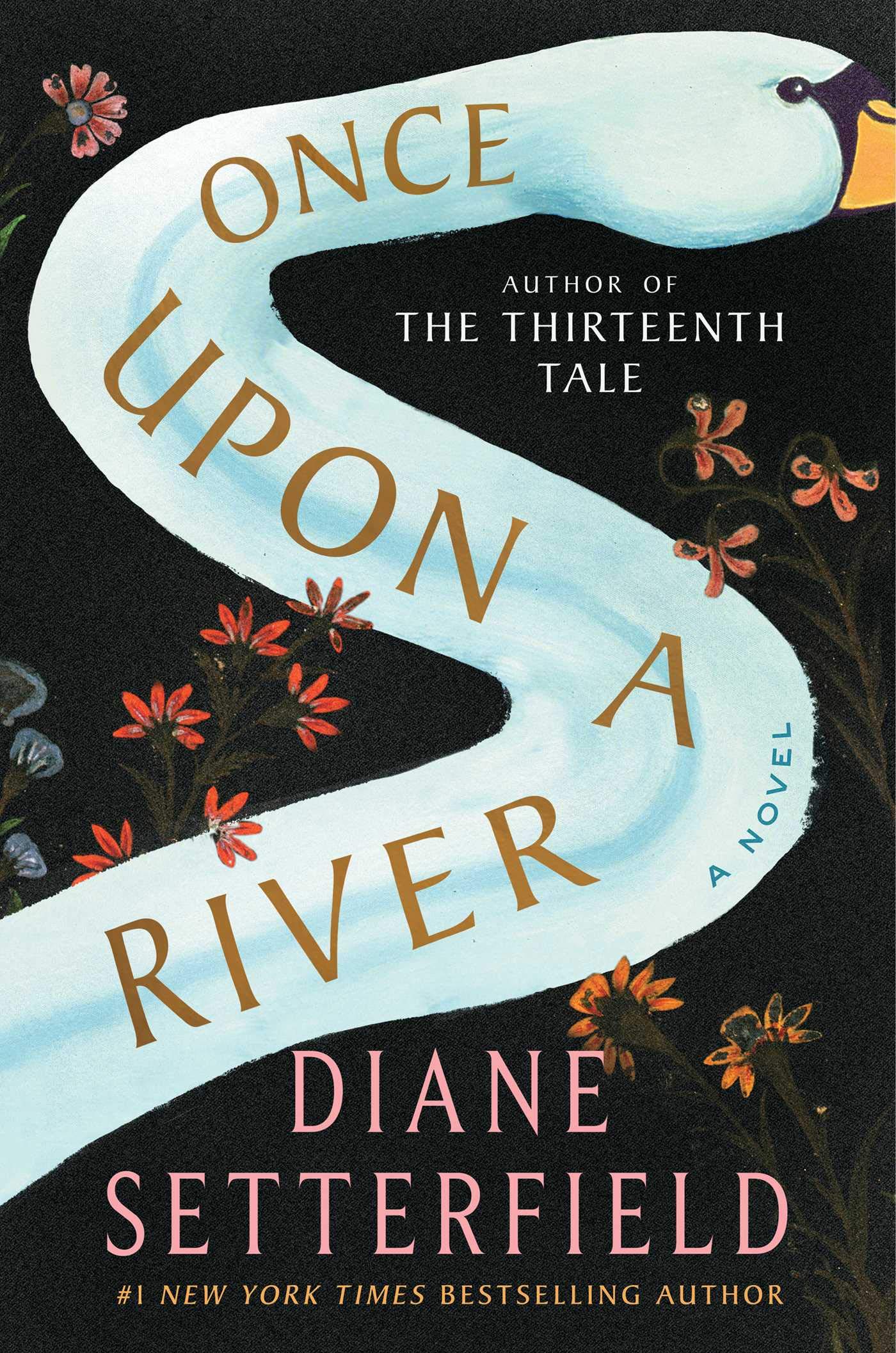
Book Review: Once Upon a River by Diane Setterfield

The river knows the secrets of small towns, and they won’t stay secrets long.

I initially became interested in Diane Setterfield when hearing the rave reviews about Once Upon a River. Not being able to get my hands on the book right away (moving expenses make it hard to buy new hardcover releases!) I settled on purchasing The Thirteenth Tale.

Although similar, Once Upon a River was miles above and, in my opinion, showcases how an author can grow and come into their craft.  

The story started slow, with such an elaborate cast of characters, introductions were lengthy and tiresome.  I wasn’t overly excited from the first few chapters.

What resonated in this novel, compounded by my reading of Setterfield’s works before, is that her writing is symbolic – sometimes overly so. In The Thirteenth Tale I was exhausted by it. I felt like the message was being beat into me. But in this novel, she really embraces the idea of the river as a focal point for the story. The tale flowed, indeed, like a river.

The Thames is the soul of several separate, intricate stories, but as Setterfield points out, it could be any river and this story could take place in any town. She writes, “And now, dear reader, the story is over. It is time for you to cross the bridge once more and return to the world you came from. This river, which is and is not the Thames, must continue flowing without you. You have haunted here long enough, and besides, you surely have rivers of your own to attend to?”

I love the addressing of the reader, the inclusion creating a prescient atmosphere. Setterfield attempts to bring a story to life as something that lives and breathes, and she achieves it. Her snaking, slick storytelling is a microcosm of the tale itself. Storytelling exists in this book in it’s most enticing form: from beginning to end, wrought with details and imagery. She leaves no stone unturned.

It is almost as if she biographizes the story: she plays with how a story is created, how a story is told and digested, how a story evolves, and how those whom the story touches evolve as well.

Like her emphasis on the symbolism of the river, Setterfield also explores the topic of duality, and how we as humans reach for the familiar even when we know it isn’t real or appropriate. We cling to mimicry in the hope that our past loves, losses, and comforts will return to us.

Setterfield stays away from the mundane, and draws the story to a satisfying conclusion without compromising realism. The mystical and magical elements and drivers in the novel act as catalysts for the characters to find their happiness in the actuality of their lives and their existence, rather than letting them lose themselves in illusion.

Above all, Setterfield has created a story, a realistic one, where real people find their happy endings in the face of adversity. Don’t we all love that?

books · Mystery

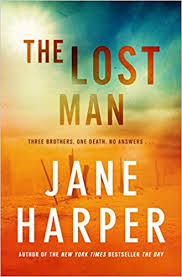
Book Review: The Lost Man by Jane Harper

The Lost Man by Jane Harper, The Lost Man
Three brothers at odds in the Australian Outback.

I was excited to dive into The Lost Man by Jane Harper. It has been awhile since I’ve read something set in the current day, but in a place totally foreign to me.

The Lost Man takes place in the Australian Outback. In my opinion, the description of the setting is the redemption of this novel. Harper’s portrayal of the Outback is unforgiving, labored, and effusive – a fitting parallel for the Australian desert itself.

Uneducated as to the harsh realities of the Outback, I embraced the feeling of imminent danger that the characters could be confronted with at any time as I was reading. In the beginning, the possibilities of the mystery seemed endless and the excitement made me eager to read more.

But other than the rich backdrop, the characters were not convincing or relatable or fun. Or any superlative for that matter.

The Lost Man himself, Cameron Bright, is supposedly a well-liked, all around great guy. He takes a quick (really quick) turn mid-story into a character that, well, pretty much deserved to die. I suddenly felt a lot less eager to find out what happened to him, which isn’t exactly what you strive for with a “who-dun-it.”

I cataloged this in “Mystery.” Because although it is marketed as a psychological thriller, I thought it was very lacking to be categorized that way.

The story is paralleled by the story of another man lost in the Australian wilderness. I found the old legend of “The Stockman’s Grave” to be far more interesting than the story of Cameron’s death: not a great sign.

I wasn’t overly surprised at the ending, I now know way more than I need to know about the exponential dingo population in the Outback, and I officially don’t want to visit because of all the ways I can think for someone to murder me, none of which the author used.

Crikey. The verdict is to kangaroo-hop around this one.

Beach Reads · books · Mystery

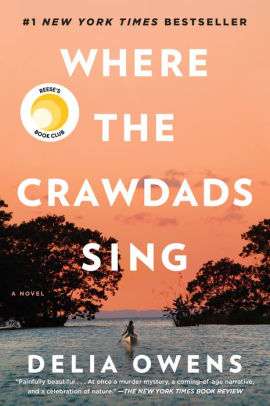
Where the Crawdads Sing by Delia Owens – Book Review

Alt= Where the Crawdads Sing

Where the Crawdads Sing by Delia Owens has become a bit of a phenomenon. If you haven’t noticed, rave reviews of the novel are popping up everywhere, and not without good reason. As a reader, and in other facets of my day-to-day life, I tend to not give in to the hype. Rather, I try desperately to resist the hyped-up books, TV shows, and trends, until I eventually give in and admit I was wrong about not believing the hype all along.

Crawdads was on my list, but it was bumped to the top when my Dad chose it for our family book club. The decision was made for me, and I’m glad.

Kya Clark is the “Marsh Girl.” Abandoned by her parents at a young age, one a battered wife, one a drunk, she grows up in a shack on the North Carolina swamp, raising herself beside the gulls and the shellfish.

Kya lives a lonesome existence. The story ebbs and flows like the tides of the marsh, ushering loneliness forth with the tide. The story conveys the state of isolation as reprehensible, and yet the most natural state of being.

Desperate to learn, Kya is taught to read by a local boy, Tate Walker. Tate is a wholesome, selfless character who serves the purpose of loving and caring for Kya above all else. Even when he makes mistakes, Tate is immediately regretful and willing to devote himself completely to making Kya trust him again.

One issue I have with the character development is Tate’s Christ-like goodness.  He’s just too good. Conversely, Kya is extremely untrusting, unwilling to ask for or accept help. Neither is a believable character, TBH.

Humans are social beings, born out of connection and bred for it. With a lack of socialization, Kya’s development parallels the marsh more so than it does her peers in the village. Kya and the marsh are symbiotic. It feeds her, teaches hers to grow and mature in her biology. In turn, she takes care of the gulls, feeds them, nurtures them like her friends. Kya’s love for the marsh is both endearing and heartbreaking.

“Needing people ended in hurt.” Kya learns this as a child of the marsh, and as she grows, she doubles down on this belief. It may be unfortunate, but Kya’s experience teaches her that love disappoints. And hurts. She just does not want to give in to that hurt, which I commend.

The masses are voraciously claiming this book to be fantastic. I say, it’s a great story. I found the ending to be satisfactory based on the distant way Kya developed throughout. Her character comes full circle in the sunset of the novel in a way that I found to be refreshingly true to the character.

About Us

Each book has a beginning, middle, and end….

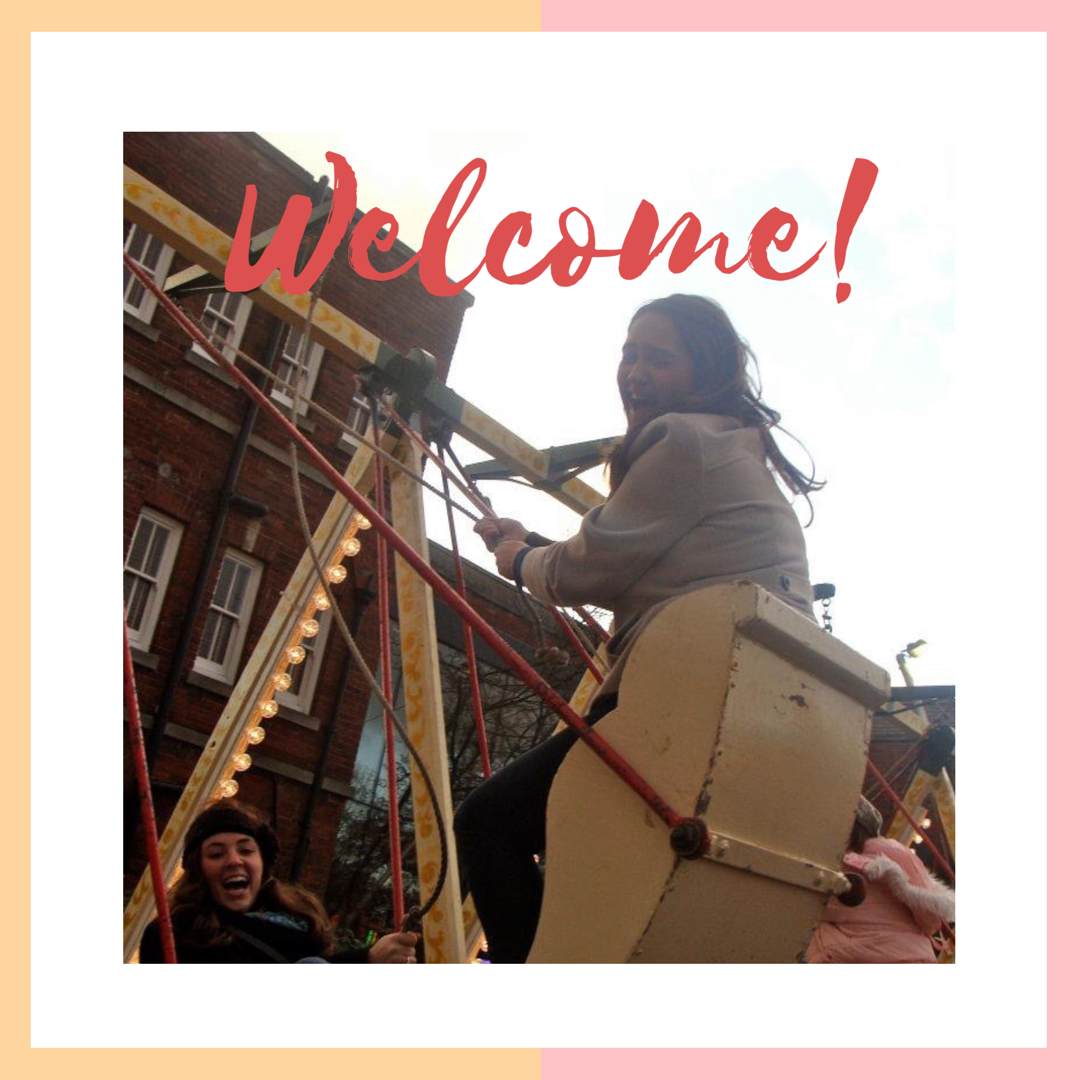
Thanks for joining us at the beginning! Welcome to 2 Book Girls, the newly minted blog for book reviews from a modern female perspective. Contributing authors of this blog are Katelyn Cullinan and Jessica Doran, best friends from college who have always bonded over a love of reading and storytelling. We are thrilled to have the opportunity to create a space where we can learn, discuss, and provide commentary on the things we read, and the things we’ll warn you just aren’t worth reading.

Kate and I have been friends for about 8 years now. We became close when we were designated as roommates on a study abroad trip in York, England. We studied the Classics together on that trip and throughout college: all different types of literature. Although Kate was on the medical track and I was an English major, we shared a love of good stories – something that brings everyone together!

We hope that this blog can be a destination for avid readers who are looking to join in a discussion of contemporary (and not so contemporary) books, laugh at the books that are really just terrible, and follow along on our journey to enriching our lives with words. We hope you enjoy, and follow our “To Read” lists on Goodreads for what we are looking forward to.

Happy Reading,

Jess & Kate